 Bosnia and Herzegovina





04-11-2025
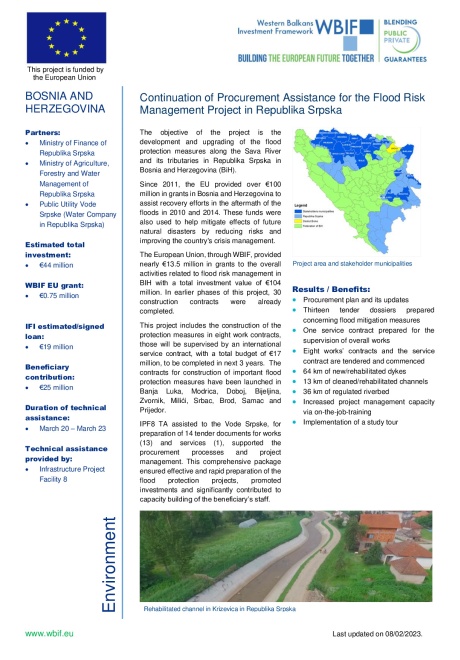
The WBIF has supported estimated investments of €7.2 billion in the public sector in Bosnia and Herzegovina.
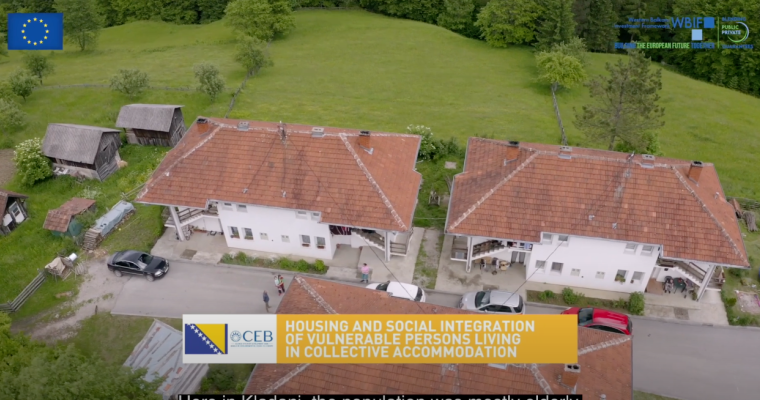
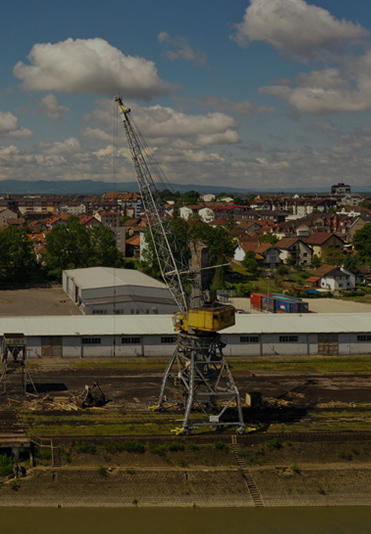
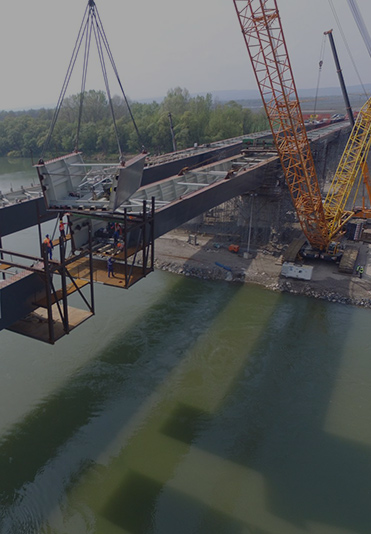
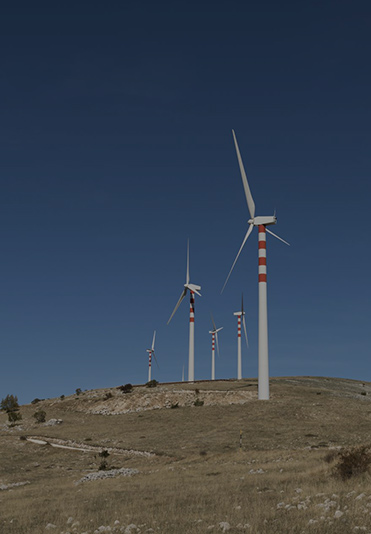
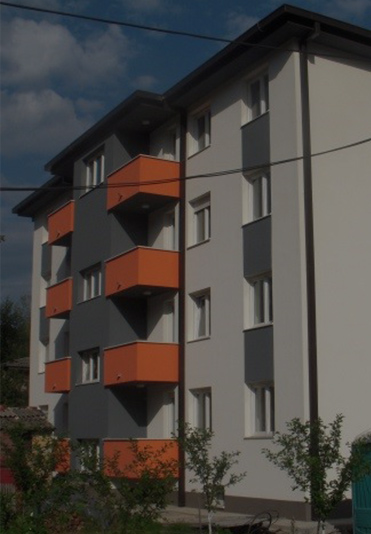
Bosnia and Herzegovina received over €1.1 billion in grants in 2008-2025: €1,047.7 million in investment grants and €79.6 in technical assistance. The grants support estimated investments of €7.2 billion in road, rail and water transport, renewable energy and gas interconnections, broadband connectivity, water supply and sanitation, flood protection, health and medical education facilities, social housing for internally displaced people, and prison facilities.
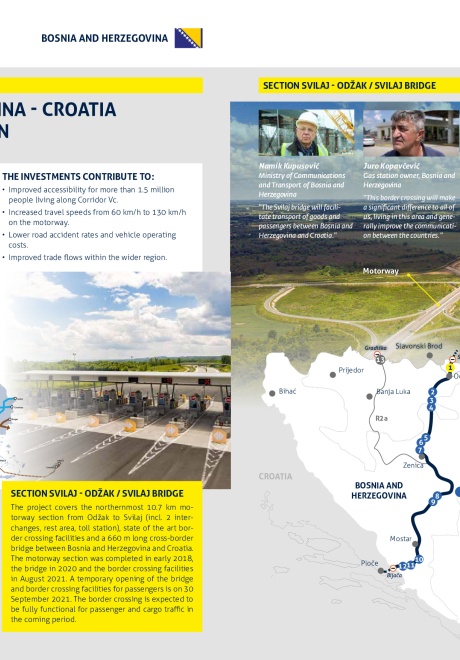
From 2020 to 2024, the country benefited from thirteen EIP flagship investments, channelling a substantial €2.4 billion towards sustainable transport, clean energy, and water supply. The WBIF contributed €824 million in grants to these investments, of which €821.4 million was EU IPA funding and €2.6 million was Bilateral Donor funding.
m
Investment grants: m
Technical assistance: m
bn
bn
WBIF contribution
Sustainable transport
€974.7m
Clean energy
€71.5m
Environment & climate
€69.1m
Human capital
€11.7m
Digital future
€0.3m
Private sector
See Priorities section
Total
€1,127.3m
2008–2023
2024–2030